


AI-Powered Warfare: Digital Militarism Uses High-Tech to Kill Children in Gaza and Iran
Iran’s Supreme Leader Ayatollah Khamenei's assassination was carried out using advanced AI technology in less than a minute.
Dr. Pamelia Riviere
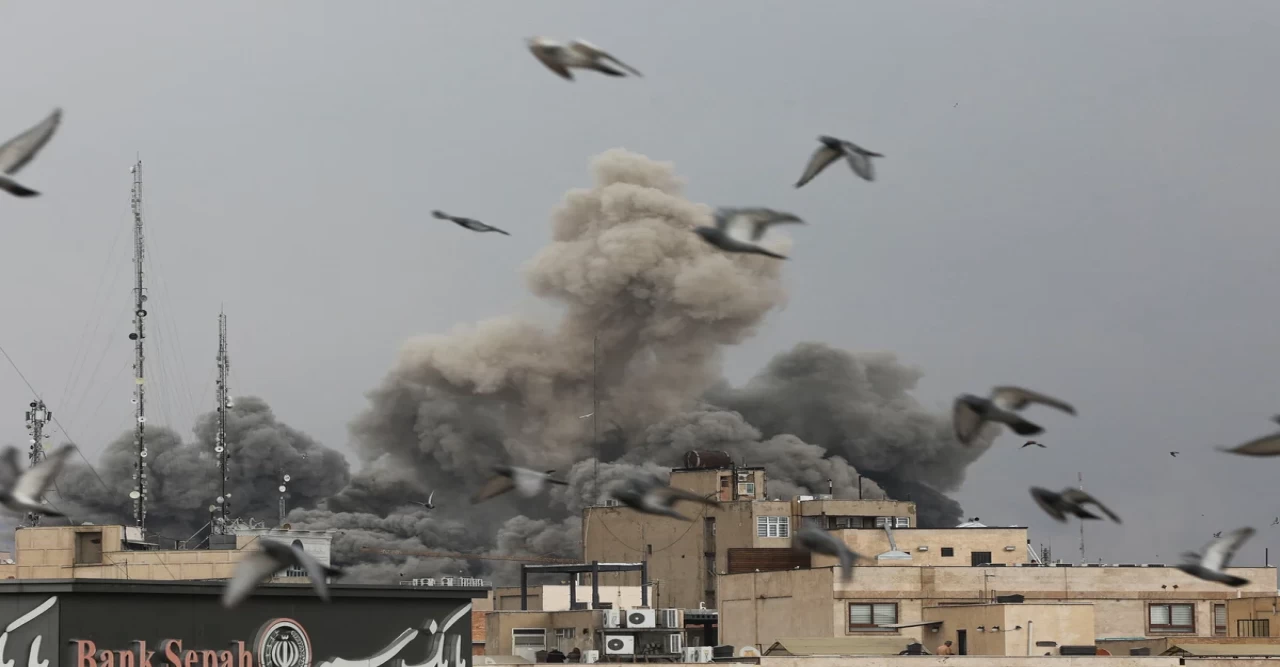
In an astonishing turn of events, AI swiftly dismantled the formidable presence of Ayatollah Khamenei and his family members, including 40 top officials, in a mere 60 seconds. The dramatic encounter highlighted the incredible power of technology in reshaping the political landscape. Advanced artificial intelligence tools are currently being utilized by the United States and Israel in their ongoing conflict with Iran, significantly enhancing various aspects of military operations, including intelligence analysis, target prioritization, and battlefield decision-making. The integration of these sophisticated AI technologies has enabled remarkably swift targeting, with reports indicating that operations may have involved as many as 900 to 1,000 airstrikes within the first 12 to 24 hours of engagement.
Several key AI systems have emerged as crucial components in these military strategies, each serving unique functions: 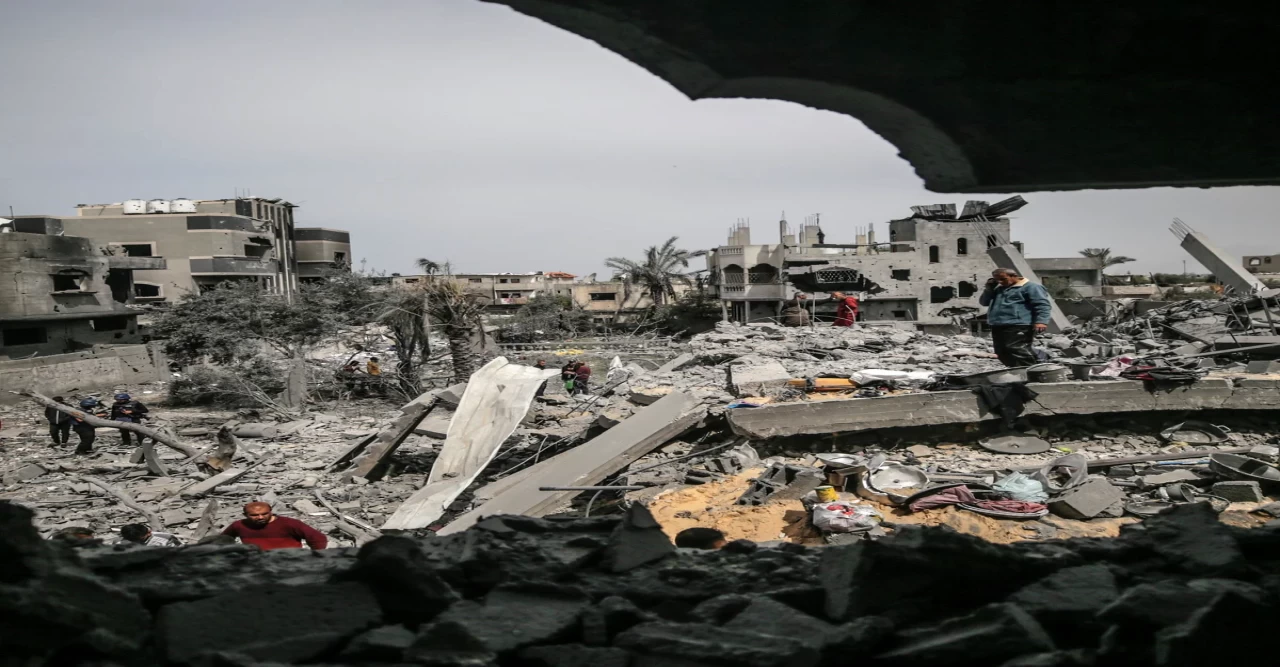 1. Anthropic Claude: According to reports from the Washington Post, this state-of-the-art AI tool has been "extensively deployed" by the Pentagon for tasks related to intelligence analysis and strategic planning. The Guardian notes that Claude has been specifically employed to "shorten the kill chain" during the targeting phases, effectively streamlining the process of identifying and engaging high-priority targets.
2. Palantir Maven: This advanced data synthesis system plays a vital role in facilitating real-time targeting efforts. By aggregating and analyzing vast amounts of data from various sources, Palantir Maven helps military operators make quick, informed decisions about target engagement.
3. Data Fusion Technologies: Israeli defense sources have indicated that AI technologies are being harnessed to sift through extensive datasets, including intelligence obtained from hacked traffic cameras. This capability enables the creation of comprehensive databases of potential targets, significantly enhancing the ability to pinpoint high-value objectives and streamline operational effectiveness, as NPR reported.
4. Generative AI Misinformation: Concurrently, there has been a notable rise in the dissemination of AI-generated fake war videos across online platforms. Experts have cited tools such as OpenAI's Sora and Google's Veo as key players in producing these convincing yet misleading digital manipulations. The proliferation of this type of content raises concerns about the potential for misinformation to impact public perception and operational security.
The strategic incorporation of AI in military operations aligns with a broader "AI-first" strategy aimed at automating intricate strike-planning processes, thereby reducing the time required for planning and execution from hours to mere minutes.
However, this rapid advancement raises significant ethical and operational concerns, particularly regarding the potential marginalization of human decision-makers in critical circumstances. The reliance on AI-driven technologies raises questions about accountability and the need to maintain human oversight in military operations, especially in situations with exceedingly high stakes. Israel Used the AI System Lavender in Gaza
Israeli intelligence sources, as reported by the Guardian on April 3, 2024, indicate that the ‘Lavender’ system was utilized during the Gaza war and assert that approval was granted to kill civilians while targeting low-ranking militants. The Israeli military's airstrike operations in Gaza employed a previously unknown AI-driven database that, at one point, identified 37,000 potential targets based on their perceived connections to Hamas, according to sources tied to the conflict. Alongside discussing the use of the AI system named Lavender, the intelligence sources allege that Israeli military officials authorized the killing of significant numbers of Palestinian civilians, especially in the initial weeks and months of the conflict.
Their unusually open accounts offer a rare insight into the firsthand experiences of Israeli intelligence personnel who have utilized machine-learning technologies for target identification during the six-month conflict. The deployment of advanced AI systems by Israel in its campaign against Hamas has ventured into uncharted territory for modern warfare, raising numerous legal and ethical dilemmas and altering the dynamics between military personnel and automated systems. "This is unprecedented, as far as I can remember," remarked one intelligence officer involved with Lavender, adding that they placed greater trust in a "statistical mechanism" than in a grieving soldier. "Everyone there, myself included, lost loved ones on October 7. The machine operated unemotionally. And that made it easier." Another Lavender user questioned the significance of human involvement in the targeting process. "I would spend 20 seconds on each target at this point and would process dozens daily. My contribution as a human had no value, other than offering a stamp of approval. It significantly saved time."
The accounts from the six intelligence officers, all of whom have participated in utilizing AI systems to locate Hamas and Palestinian Islamic Jihad (PIJ) targets during the conflict, were shared with journalist Yuval Abraham for a report released by the Israeli-Palestinian publication +972 Magazine and the Hebrew-language site Local Call. These testimonies were exclusively provided to the Guardian prior to publication.
All six individuals stated that Lavender had been pivotal in the conflict, processing vast amounts of data to quickly identify potential "junior" operatives for targeting. Four of the sources indicated that, during an early phase of the conflict, Lavender identified as many as 37,000 Palestinian men linked to Hamas or PIJ. Lavender was created by the elite intelligence division of the Israel Defence Forces, Unit 8200, which is comparable to the National Security Agency in the United States or GCHQ in the United Kingdom. Several sources recounted how, for specific target categories, the IDF implemented pre-approved thresholds for the estimated number of civilian casualties that were acceptable before a strike was sanctioned. Two sources mentioned that in the initial weeks of the conflict, they were allowed to kill 15 or 20 civilians in airstrikes targeting low-ranking militants. Strikes on such targets were generally executed using unguided munitions referred to as “dumb bombs,” which resulted in the destruction of entire homes and casualties among all occupants.
AI Implications in the Iran War: Operation Epic Fury
On 6th March, Al Jazeera reported that the United States military has announced its use of various artificial intelligence (AI) tools in the ongoing conflict with Iran, amid rising concerns over civilian casualties. Brad Cooper, the head of US Central Command (CENTCOM), highlighted in a recent video message that AI technologies are helping troops process large volumes of data more effectively. Cooper emphasized that these advanced AI systems enable faster decision-making by helping military leaders sift through extensive information, allowing them to respond more quickly than their adversaries.
He clarified that while AI can enhance data processing, final decisions regarding targeting remain the responsibility of human operators. This announcement comes at a time when there are increasing calls for an independent inquiry into a recent bombing of a school in southern Iran, which resulted in more than 170 fatalities, predominantly children. Since the commencement of the US-Israel campaign on February 28, reports indicate that approximately 1,300 people have been killed in Iran. Despite Cooper's assurance regarding human oversight in targeting decisions, concerns from rights advocates have emerged regarding the role of AI in military operations.
Reports indicate that Israel has extensively employed AI in its military actions in Gaza, which has led to over 72,000 Palestinian casualties since October 2023 and has caused widespread destruction in the region. The Iranian Red Crescent Society reported that the ongoing US-Israeli bombing campaign has severely impacted nearly 20,000 civilian buildings and 77 healthcare facilities. Strikes have targeted various civilian infrastructures, including oil depots, street markets, sports venues, schools, and a desalination plant.
Additionally, the administration of former President Donald Trump sought to enhance access to technological tools for military applications. This has coincided with a dispute involving the tech company Anthropic, which had a contract with the Pentagon. Anthropic insisted that its AI models should not be used for fully autonomous weapons or mass surveillance. Subsequently, the company sued the Trump administration after being blacklisted as a "supply chain risk,” effectively restricting its ability to engage with government agencies.
Pentagon spokesperson Kingsley Wilson stated, “America’s warfighters supporting Operation Epic Fury and every mission worldwide will never be held hostage by unelected tech executives and Silicon Valley ideology. We will decide, we will dominate, and we will win.”
In response to these developments, China has voiced concerns regarding the excessive use of AI for military purposes. Jiang Bin, spokesperson for the Chinese Defence Ministry, warned that the unrestricted application of AI in military contexts could undermine ethical standards and accountability in warfare. He cautioned that such trends risk transforming fictional narratives, such as "The Terminator," into reality by granting algorithms the authority to determine life and death.
Decapitated Khamenei AI Took Just 60 Seconds
On March 1, 2026, the Guardian reported that the assassination of Iran’s supreme leader, Ayatollah Ali Khamenei, marked the result of years of detailed intelligence gathering by Israeli intelligence agencies, with essential technological support and personnel supplied over the preceding six months by the CIA and other U.S. intelligence organizations, which led to a targeted and lethal assault aimed at dismantling the Iranian government, as stated by experts, experienced spies, and officials from both Israel and the U.S. Khamenei was killed alongside seven prominent figures from the Iranian security leadership who had assembled at multiple sites in Tehran, as well as approximately a dozen of his relatives and close associates, during coordinated strikes that occurred within a span of 60 seconds, according to military officials in Israel. Additionally, forty other high-ranking Iranian leaders were also killed in the operation.
The killing of Khamenei, 86, initiated an air offensive by Israel and the US aimed at overthrowing the radical clerical regime in Tehran, resulting in renewed chaos in the Middle East.
Some experts warn that this assassination could alienate potential supporters and empower more radical opponents. Israeli analyst Yossi Melman stated that past assassinations, including those of Hamas leaders, have not solved underlying issues, as leadership is always replaced. Israel has a long history of targeted killings, but this marked the first time a head of state was assassinated. Former military intelligence head Amos Yadlin called the strike a tactical surprise, differing from expected nighttime operations.
A former CIA veteran emphasized the importance of piecing together intelligence from various sources, asserting that every action leaves a trace. Reuel Gerecht, a former CIA officer, noted that while the US has impressive technological capabilities, Israel's extensive networks in Iran have been crucial for intelligence and covert actions. The Mossad, Israel's intelligence agency, has focused on Iran for decades, executing operations such as the targeted killing of a nuclear scientist and significant cyberattacks. Following a strategic shift nearly 20 years ago, the Mossad began recruiting local agents in Iran, leading to successful missions against the regime. David Barnea, the current Mossad chief, has developed a “foreign legion” of agents for sensitive operations across the Middle East.
Palantir Used the AI System to Target Girls' Schools in Minab
The US intelligence community has issued warnings to American companies and government agencies about potential cyber attacks from the Iranian regime following the killing of Supreme Leader Ayatollah Ali Khamenei. Although no specific threat has been identified, the Department of Homeland Security (DHS) alerted law enforcement to a heightened threat environment. The DHS cited calls for revenge from top Iranian religious leaders and rhetoric from the Iranian government that increases the risk posed by violent extremists supporting the regime. Additionally, a decree from the Iranian Revolutionary Guard Corps suggested that enemies of Iran will face insecurity globally.
The war between the US, Israel, and Iran has intensified as it reaches its 13th day, with escalating attacks targeting civilian infrastructure, including schools and hospitals in Iran. Reports indicate that 12 Iranian hospitals have been forced to cease operations due to the ongoing conflict. Recently, Israel announced an airstrike on a nuclear facility outside of Tehran, which Iran insists is for civilian use.
A preliminary report from the Pentagon confirmed that the US was responsible for a missile strike on an Iranian girls' school, resulting in the tragic deaths of 168 children and 14 teachers.
The Pentagon attributed the incident to outdated intelligence, which may have been exacerbated by the military’s reliance on artificial intelligence in its targeting processes.
The AI system, known as Maven, was developed by Palantir and utilizes technology from Anthropic. During a press conference, President Trump was questioned about the strike on the school and denied knowledge of the operation, claiming it was executed by Iran. He blamed the strike's inaccurate targeting on the responsibility of the Iranian forces, which is an outright lie. The attack on the school has sparked outrage, highlighting the devastating impact on innocent lives and raising fears of a potential societal revolt against the Iranian regime, influenced by such violence.
In Retaliation, Iran Plans to Attack High-Tech Institutions
In response, Iran has cautioned American tech companies that their operations could be targeted as the conflict broadens, with reports indicating that the IRGC's Tasnim News Agency has compiled a list of US tech firms allegedly linked to military activities supporting Israel.
Iran has issued a warning that U.S. technology firms could become targets as the ongoing conflict with Israel and the United States extends into the realm of digital infrastructure. Media outlets in Iran have identified several major tech companies, including Google, Microsoft, NVIDIA, and Palantir, as potential focuses of targeting. The Iranian government has officially declared that both the digital and physical assets of these American tech giants are considered legitimate military targets, marking a significant escalation in the realm of global cyber warfare.
This assertion indicates that Iran views these companies as actively involved in supporting U.S. defence strategies, especially those related to artificial intelligence and cloud computing. By specifying companies such as NVIDIA and Palantir, Iranian authorities are emphasizing their concern over the supply chains and software that enable modern autonomous weapon systems. This development effectively brings the technology sector into the forefront of a conflict that has traditionally been confined to military operations. Security experts have raised alarms about the potential for sophisticated cyber-attacks aimed at disrupting data centers, satellite communication systems, and the global financial networks associated with these firms. Such attacks could jeopardize the West's technological infrastructure and affect essential services for millions of civilians worldwide.
This move to target private corporations signifies a shift towards a total warfare doctrine in which the distinctions between state-sponsored defence and private industry are increasingly blurred. As a result, these companies are expected to significantly enhance their security measures and cyber-defence strategies. With tech giants becoming pivotal players in the geopolitical standoff, the global market is adopting a cautious approach regarding future international tech collaborations. This situation highlights the evolution of the modern battlefield, which now encompasses not only traditional military engagements but also the technology that underpins the global economy.
However, the use of AI in modern warfare raises significant concerns regarding its impact on human society and the environment. There is a growing call for global powers to regulate AI technologies to mitigate potential risks. The deployment of AI in military contexts necessitates careful consideration to ensure it aligns with principles of peace and security.
The writer works as a freelance analyst.