

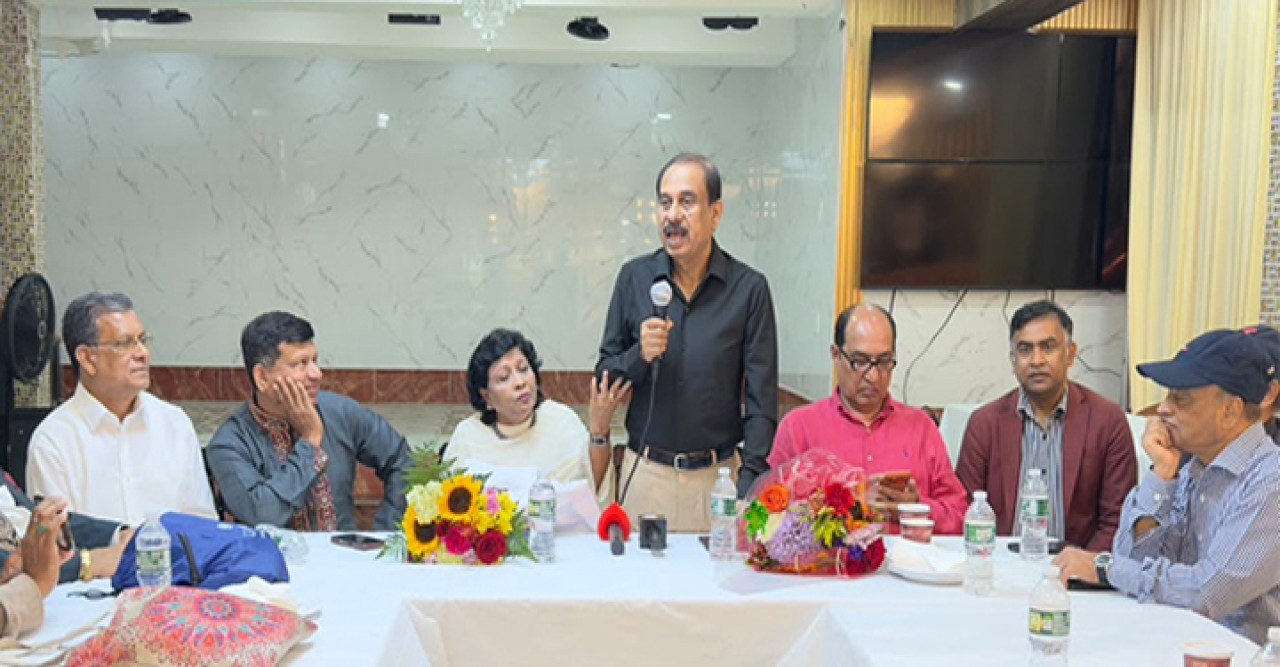
New York (UNA): Noted journalist Matiur Rahman Chowdhury, Chief Editor of the Daily Manab Zamin and founding editor of the Daily Banglabazar, who is currently in the United States to cover the ongoing FIFA World Cup, has stated that Bangladesh's politics remains unstable. He said the country will have to face immense challenges in the days ahead, and the current new government is navigating through multifaceted difficulties. "The country's politics has not been set right yet," he remarked. "We cannot conduct politics the way we want to in our own country; our politics is controlled by others." He added that in the 54 years since Bangladesh's birth, many other nations have come into existence, but Bangladesh has failed to progress. "We must engage in self-criticism," he urged. 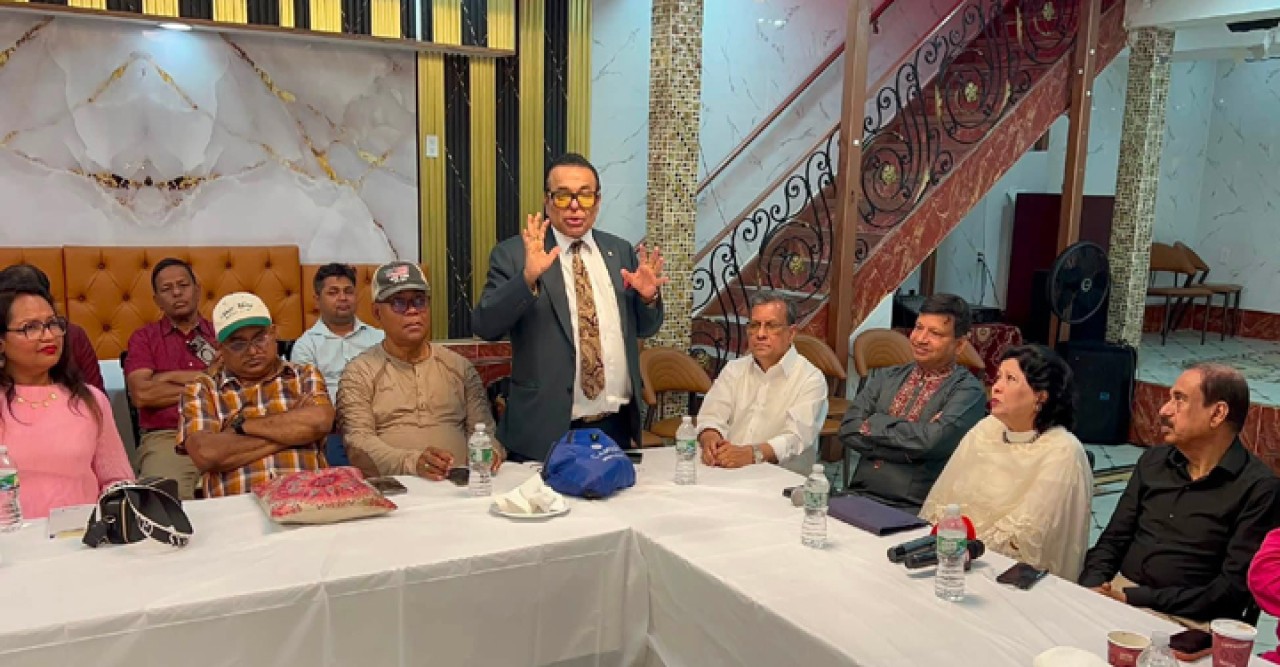 He made these comments during an exchange meeting held in New York. The meeting took place on Tuesday evening, July 14, at a restaurant in Jackson Heights, Queens. Also present at the event was Mahbuba Chowdhury, editor of the Daily Manab Zamin, a popular news anchor, and a poet. Notably, Matiur Rahman Chowdhury has now covered a total of seven FIFA World Cup tournaments, beginning his journey with the 1990 Italy World Cup. The news was reported by UNA. The meeting was organized by former staff members of Manab Zamin and Banglabazar in honor of Mr. Matiur Rahman Chowdhury and Ms. Mahbuba Chowdhury.
 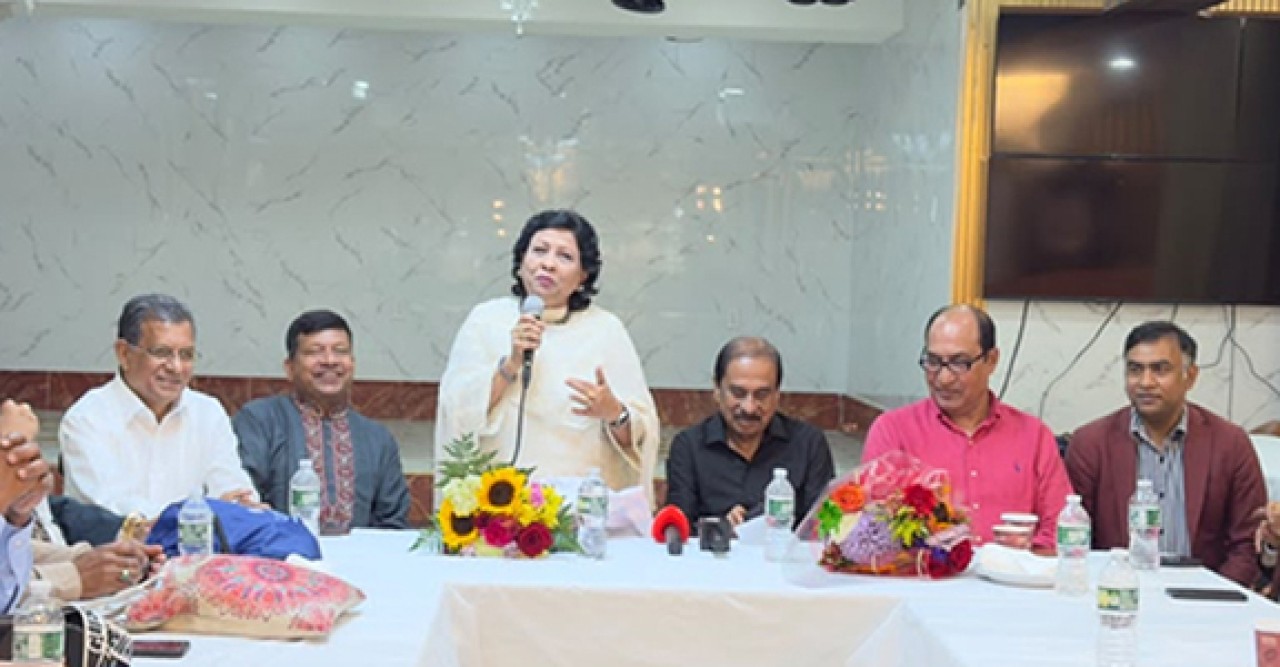 Discussions covered a wide range of topics, including Bangladesh's current political climate, the state of the media, changes in journalism in the digital age, professional standards of journalism, the prospects and challenges of Bengali journalism in the diaspora, and global media preparations surrounding the FIFA World Cup. According to sources, others present at the meeting included Mahbuba Chowdhury, Editor of Manab Zamin; M.M. Shahin, Chairman of Thikana Group and former Member of Parliament; veteran journalists Anwar Hossain Manju and Moinuddin Naser; Dr. Wazed A. Khan, Editor of the Weekly Bangladesh; Abu Taher, Editor of the Weekly Bangla Patrika and CEO of Time TV; prominent businessman and Editor of the Weekly Ajkal, Shah Newaz;
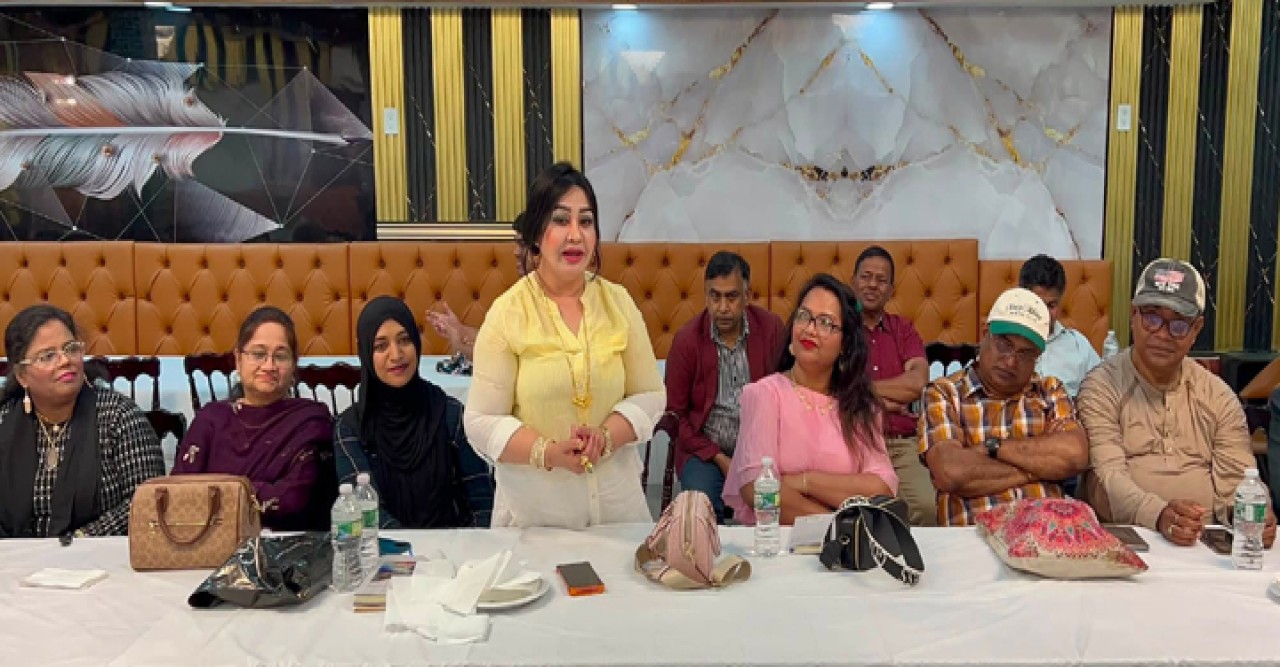 Muhammad Fazlur Rahman, former Chief Editor of the Weekly Thikana; Ibrahim Chowdhury Khokon, Editor of the Weekly Prothom Alo; senior journalist Akbar Haider Kiron; Professor Husne Ara; Shahidul Islam, News Editor of the Weekly Thikana; and Nashrat Arshiana Chowdhury, its Managing Editor; Farid Alam, Bureau Chief of NTV North America; photojournalist Neher Siddiquee; Shafiqul Islam Lutu, former editor of the Daily Ajker Patrika; senior journalist Darpan Kabir; Ashraful Hossain Nawshad, former General Manager of Manab Zamin; along with former journalists Monwarul Islam, Shawkat Osman Rachi, Mujahid Ansari, and Moniza Rahman; Tofazzal Liton, New York correspondent for Prothom Alo; Apple Mahmud, senior reporter for Thikana TV; journalist Sakhawat Hossain Selim; Afroza Islam, Editor of the NY Kagoj; Siddiqur Rahman Sumon, US correspondent for the Daily Manab Zamin; Rano Newaz, Managing Editor of the Weekly Ajkal; City Editor Anik Raj; journalist Sayem Ahmed; Manager Abu Bakr Siddique; engineer Abdus Sobhan; mainstream politician Mary Jobaida; community activist Nasima Akhtar Shahana; and cartoonist Tipu Alam.
  They all delivered brief remarks. During the open discussion, Matiur Rahman Chowdhury stated, "Bangladesh's history is not correct. When the government changes, history changes. This cannot be. To set history right, we ourselves must be right. History will forgive no one." He also said, "We are surrendering ourselves to acquisition and gain. This pursuit of gain is the root cause of our ruin." Chowdhury remarked, "A journalist's true identity is that of a journalist. But many are presenting themselves with political party affiliations while hiding their journalistic identity. This is not desirable." Regarding the jailing of journalists, he said, "During the caretaker government, I was the first to speak out against it—saying if they need to be tried, then try them, why keep them detained? But the problem is that we ourselves have pushed ourselves into this situation. One person or another is a supporter of some party.
.jpg) A journalist should first present their identity as a journalist and then their political affiliation. During elections, one can just vote in secret." On the subject of journalists' unity, he said, "There is no unity among us. Just as politicians are divided into three or four factions, we are also divided. Politics is in our guts. First, we present our political identity, saying someone is from such-and-such party. To change this situation, everyone must unite. There is no alternative. If someone's profession is journalism, they must give up active politics." He posed questions: "Where are we headed today? Where is the country headed? Where are we taking it? Are we leaving behind anything?" He added, "We only look back. We keep bickering over the past."
A journalist should first present their identity as a journalist and then their political affiliation. During elections, one can just vote in secret." On the subject of journalists' unity, he said, "There is no unity among us. Just as politicians are divided into three or four factions, we are also divided. Politics is in our guts. First, we present our political identity, saying someone is from such-and-such party. To change this situation, everyone must unite. There is no alternative. If someone's profession is journalism, they must give up active politics." He posed questions: "Where are we headed today? Where is the country headed? Where are we taking it? Are we leaving behind anything?" He added, "We only look back. We keep bickering over the past."
He stated, "Everyone must be given what they deserve. If not today, then tomorrow, or the day after, it must be given. If this is not done, history will keep being overturned repeatedly." He noted, "Bangladesh is 55 years old. In this time, at least 37 countries have become independent worldwide. They are not lagging behind. We are falling behind. We are pulling each other down so that no one can rise." Matiur Rahman Chowdhury said, "Journalism is not just a profession; it is a place of responsibility.
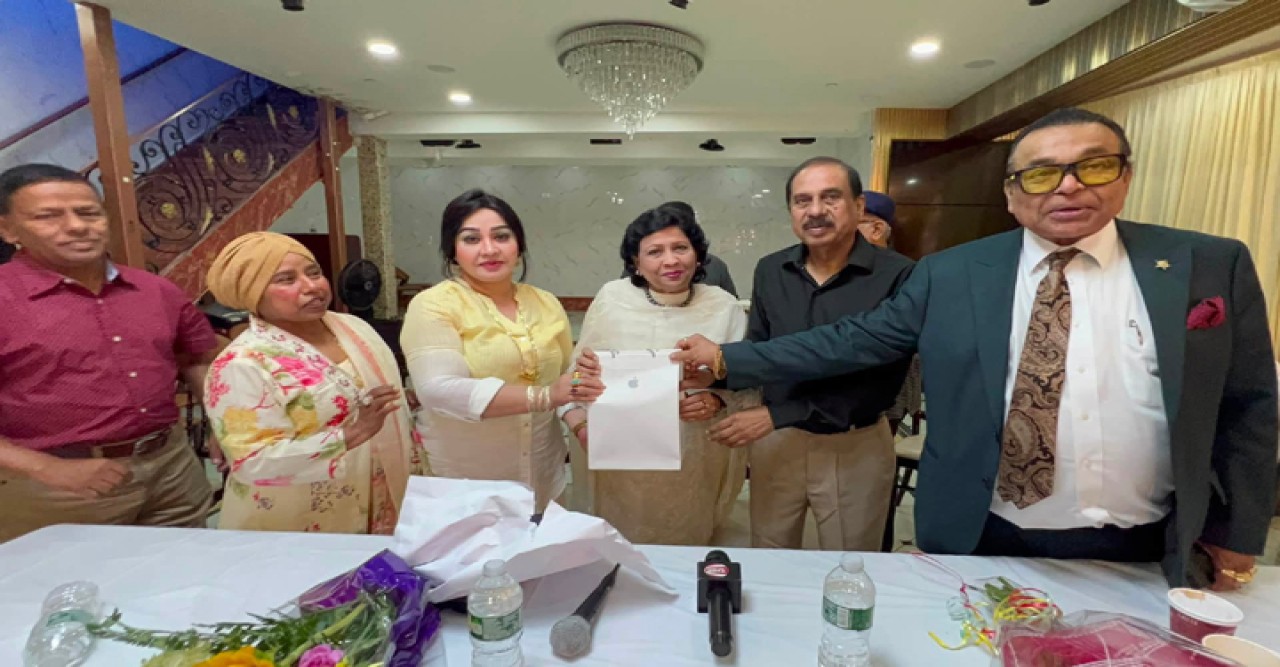
The time spent with colleagues is the greatest asset of my life. Everyone's love and respect continually gives me the courage to work anew." Referring to the frenzy over the World Cup, he said, "Bangladesh is not in the World Cup, and we ourselves do not play. Yet, in supporting other countries, disputes have led to 11 deaths so far." He remarked, "The day we can play our own game, that day we will be able to lead Bangladesh on the right path." During the meeting, Matiur Rahman Chowdhury and Mahbuba Chowdhury were greeted with flowers and presented with ceremonial shawls. The session was jointly conducted by Monwarul Islam and Ashraful Hossain Nawshad.

.jpeg)

.png)