
Unravelling the 2026 Global Measles Meltdown: A Call for an Investigation into Procurement Failures in Bangladesh
Akbar Haider Kiron প্রকাশিত: ২৩ জুলাই, ২০২৬, ০৪:১৭ এএম

Unravelling the 2026 Global Measles Meltdown: A Call for an Investigation into Procurement Failures in Bangladesh
Dr Pamelia Riviere
Global Outbreak of Measles in 2026
As of May 2026, the world is grappling with a significant resurgence of measles, characterized by widespread outbreaks in the United States, Canada, and other countries. This alarming trend has been attributed primarily to drastically low vaccination rates. In the United States alone, there have been 1,842 reported cases, most of which are linked to specific outbreaks, according to the CDC. Meanwhile, Canada has tallied nearly 944 cases by late April, resulting in the loss of its previously attained measles elimination status. The outbreak in the U.S. during 2025 and 2026 marked a record high in cases, driven by a sharp decline in childhood vaccination rates.
The surge in measles cases in early 2026 in the US and the explosive outbreaks in countries such as Bangladesh are a complex crisis, as reported by the Centers for Disease Control and Prevention, resulting from a combination of procurement failures, political disruption, and low vaccination coverage.
Factors contributing to this decline include a notable increase in vaccine refusal among parents and the rampant spread of misinformation regarding vaccine safety. Political instability and changes in health leadership further exacerbated the situation, hindering effective public health responses.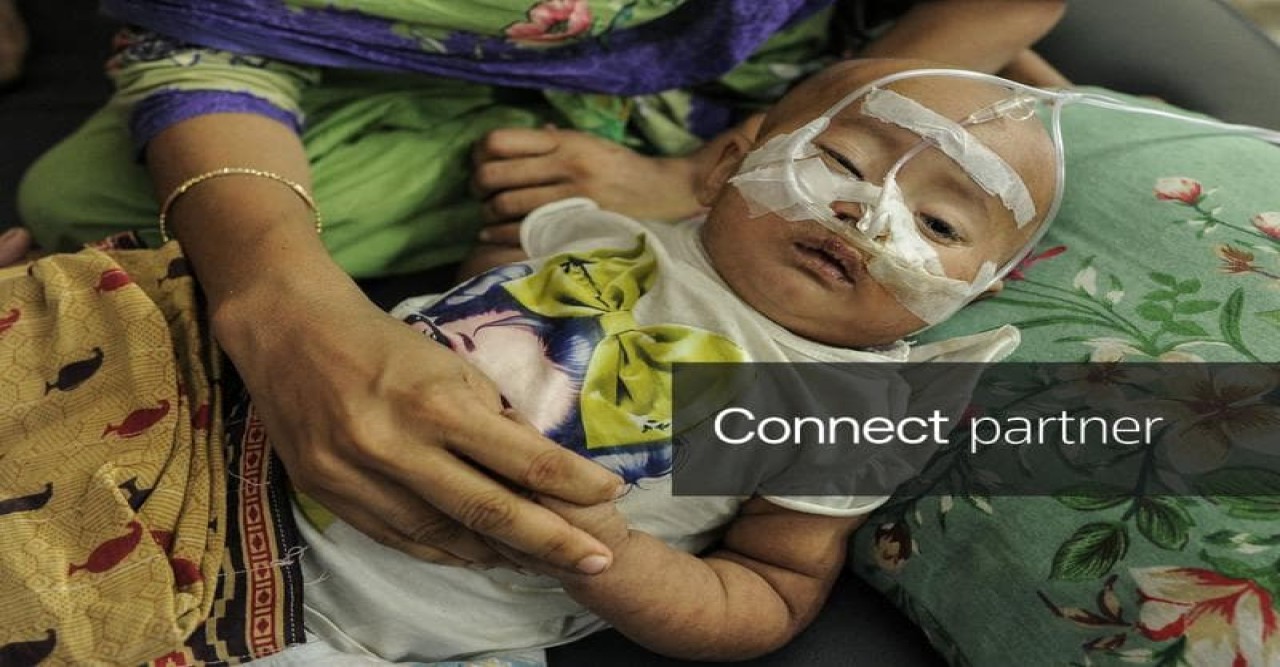 Other countries, including the United Kingdom and Spain, also fell short of their elimination goals in early 2026. Regions such as Bangladesh, Japan, parts of Europe, and both Canada and the United States faced severe challenges stemming from this measles outbreak. Several key causes have been identified as driving this resurgence. Low vaccination coverage has created vulnerable populations, effectively generating pockets of susceptibility to infectious diseases. Additionally, international travel plays a significant role in reintroducing the virus to communities that have lower levels of immunity, facilitating rapid transmission. Vaccine hesitancy, driven by misinformation and unfounded fears about vaccine safety, has emerged as a major factor in declining global coverage rates. This combination of factors underscores the urgent need for public health initiatives to restore trust in vaccines and ensure widespread immunization to combat this dangerous outbreak.
What has sparked the alarming measles crisis in Bangladesh?
Could it be a procurement misstep by the interim government that deserves a closer look? The dilemma surrounding the purchase of vaccines in Bangladesh stems from the interim government's health minister's apparent lack of administrative experience. This raises questions about the ministry's decision-making processes. Additionally, there are concerns that the tragic measles outbreak may be linked to the health ministry's potential interest in securing commission benefits through new tenders. If this connection is accurate, it is deeply troubling and warrants further investigation.
According to Science Advisor, a "deadly comeback" of measles in Bangladesh was directly tied to a shift from UN-managed procurement to a new local tender system following political changes, which led to severe nationwide vaccine stockouts.
Bangladesh's Expanded Program on Immunization (EPI)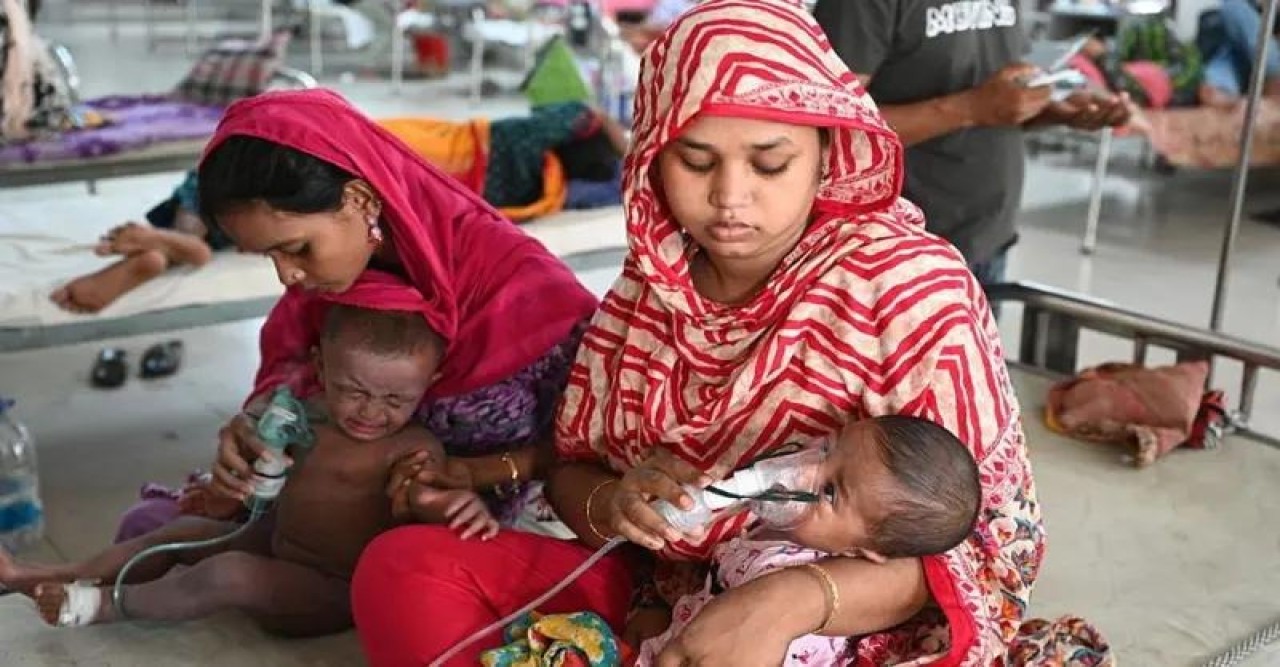 EPI stands as a remarkable testament to effective public health measures, achieving an impressive vaccination coverage rate exceeding 90% against various preventable diseases. Since its inception in 1979, the EPI has dramatically transformed the immunization landscape, raising immunization rates from 2% in 1984 to 84% by 2019. This remarkable advancement has been instrumental in eradicating polio and significantly reducing child mortality rates, paving the way for a healthier future for children in the nation.
Several key pillars have underpinned the EPI's success. Bangladesh has consistently excelled in immunization coverage, with remarkable figures such as 98% for DTP3 and 93% for measles as of 2025. This high vaccination rate reflects the nation's commitment to safeguarding children's health.
The EPI has continuously embraced innovation in vaccine development, introducing new and critical vaccines to enhance public health. Notable additions include the human papillomavirus (HPV) vaccine in 2023 and the typhoid conjugate vaccine (TCV) in 2025, further expanding the range of diseases preventable.
The program's success is bolstered by an extensive network of over 17,000 dedicated frontline health workers who operate tirelessly within communities. This robust infrastructure is complemented by effective community mobilization efforts, largely driven by increasing awareness among mothers, who play a crucial role in advocating for vaccinations.
Key achievements include Bangladesh's status as polio-free since 2006 and the successful elimination of maternal and neonatal tetanus.
These milestones not only highlight the effectiveness of the EPI but also serve as a source of pride for the nation, showcasing the impact of sustained public health efforts. Together, these components create a comprehensive framework that has led to the EPI's ongoing success, significantly improving public health outcomes and ensuring a brighter future for the children of Bangladesh.
What caused the current measles crisis in Bangladesh?
The recent controversy surrounding the measles vaccine in Bangladesh has raised serious concerns. If the interim government has turned a blind eye to this critical health issue, or if corruption has tainted the health ministry's actions, it’s imperative that a thorough investigation take place. The well-being of the population depends on accountability and transparency in these matters.
Apparently, the current measles crisis in Bangladesh can be attributed to a complex interplay of factors, notably the failures in procurement and management by the interim government, which warrant thorough investigation. From August 2024 to February 2026, the country was under the governance of an interim government that was beset by frequent political unrest, characterized by strikes and massive protests. This environment of instability significantly hindered routine healthcare operations, particularly the mass vaccination campaign against measles and rubella. This campaign, scheduled to take place every four years, could not be executed as planned; the last successful campaign was in 2020. During this period, several key leadership positions within the health sector remained vacant for extended periods, disrupting the continuity and effectiveness of health administration.
The Expanded Programme on Immunization (EPI), a critical component of the country’s public health strategy, underwent a substantial overhaul, further complicating service delivery. Compounding these issues was a widespread lack of administrative preparedness and strategic foresight within the health ministry. The approval process for procuring and distributing vaccines and essential medicines was sluggish, exacerbated by delayed financial releases and chronic funding shortages.
As a direct result, vaccine stockpiles dwindled alarmingly, leaving vulnerable populations inadequately protected. Moreover, the crisis was exacerbated by a significant shortfall in health personnel; reports indicated that in 2025, 45% of health positions were unfilled in more than 50% of Bangladesh's districts. These staffing shortages, coupled with ongoing labour strikes, critically impeded the health infrastructure’s ability to respond to public health needs.
Additionally, policymakers’ oversight of the implications of global measles outbreaks in 2024, alongside the threat of imported cases, further intensified the crisis. As highlighted in reports from the British Medical Journal (BMJ), these failures reveal a troubling disconnect in the government’s response to a rapidly worsening public health situation.
The upheaval of 2024 and the ensuing wave of political instability disrupted routine immunization services and vaccine procurement, resulting in alarming gaps in national coverage. As delays in vaccine procurement persisted into late 2024 and 2025, a critical shortage of measles-containing vaccines emerged, leaving many vulnerable populations at risk. The country was unable to conduct a vital nationwide supplementary measles-rubella campaign planned for after 2020, thereby missing a crucial opportunity to immunize the growing number of unvaccinated children.
Compounding these challenges, the health care system faced shortages of testing kits and an overburdened workforce, with a staggering 45% of health positions vacant in numerous districts by 2025. This lack of resources severely hampered efforts to identify and contain the measles outbreak, which was particularly devastating among children under five. Their risk of severe illness and mortality was exacerbated by high rates of malnutrition and low levels of Vitamin A, both of which significantly compromise immune function. In response to the escalating crisis, an emergency vaccination campaign was initiated in April 2026, successfully reaching nearly 17 million children in an urgent bid to counteract the outbreak's severity.
Resiliency: A hope amid the challenges
Even in the face of enormous challenges, the Expanded Program on Immunization (EPI) has shown resilience by launching emergency response initiatives, such as the measles response in 2026, to curb disease spread in Bangladesh. This remarkable progress is driven by robust political commitment, ongoing collaboration with international partners such as Gavi, UNICEF, and WHO, and comprehensive community-based awareness campaigns that engage and educate the public about the importance of vaccination and disease prevention.
Nonetheless, the interim government's health minister's limited administrative experience raises significant concerns about the ministry's effectiveness in decision-making. Moreover, there are troubling indications that the recent measles outbreak might be connected to the health ministry's pursuit of commission benefits through new tenders. If this link holds true, it is alarming and demands an urgent and thorough investigation.
The writer is a freelance analyst.