
View from the Inside: A Diplomat’s Recollections - Shameem Ahsan
Akbar Haider Kiron প্রকাশিত: ২৩ জুলাই, ২০২৬, ০৪:২৮ এএম

A diplomat is often perceived as living a comfortable and secure life abroad, mingling with foreign dignitaries at colourful receptions. This may be partly true, but the life of a diplomat is not without challenges and hazards. Airports, in particular, constitute an important zone of activity (from the rank of Third Secretary all the way to Ambassador), often involving sensitive protocol duties. While serving as Minister (Political) at the Embassy of Bangladesh in Washington DC (2008–2011), I encountered a tragic incident. Minister (Press) Akhter Ahmed Khan went missing for a couple of days during the Eid holidays, and was later found dead on the floor of his single house in Rockville, Maryland. Newly arrived in the USA and unfamiliar with freezing temperatures and strong winds, he was last seen cleaning his premises without adequate protective clothing. He apparently suffered frostbite and, although he managed to return inside, succumbed to the effects of the extreme cold, worsened by pre-existing health conditions. 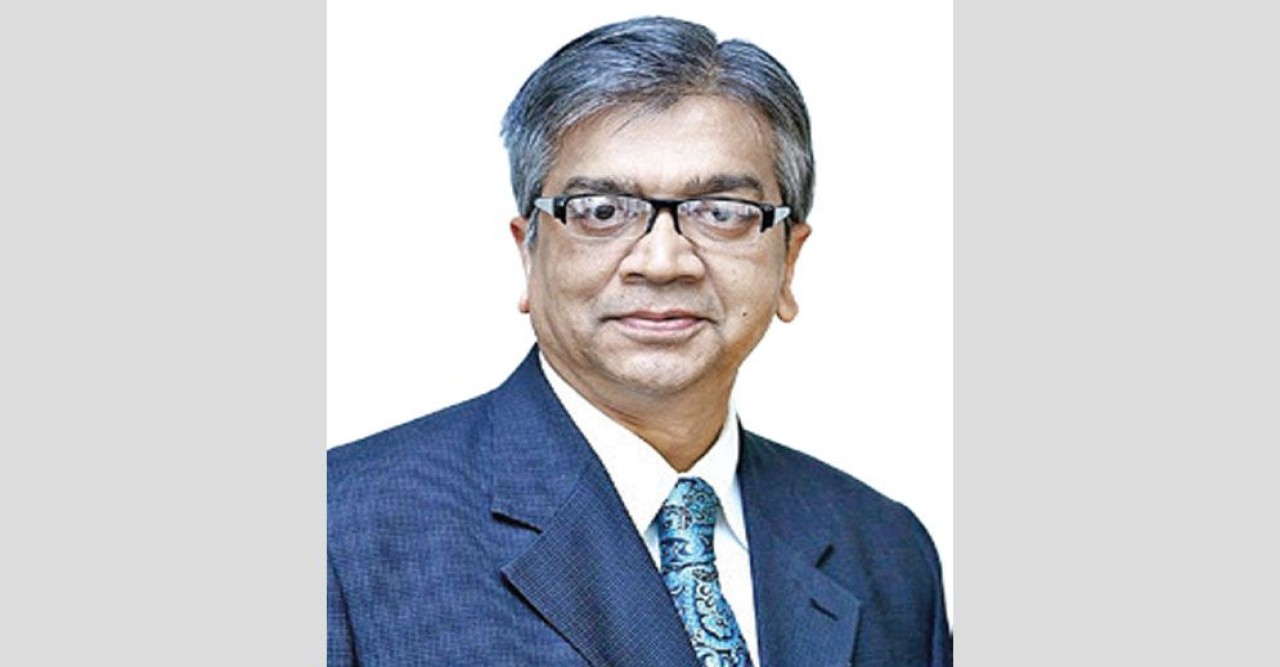 The Mission worked diligently to complete all funeral and repatriation formalities. Acting as Head of Chancery, I went to Washington Dulles International Airport with relevant officers a day before the flight to ensure all arrangements were in place. Qatar Airways assured us that everything had been completed and the flight would depart on schedule. However, the next day we received a call from Dhaka informing us that the human remains did not arrive; senior officials from both the Ministry of Foreign Affairs and the Ministry of Information had been waiting at the airport. When we contacted the airline, we learned that the flight had been cancelled at the last minute due to a bird entering the aircraft engine, which could not be cleared immediately. We had not been informed earlier. Confident in the airline’s assurances, we had not assigned an officer to remain at the airport until departure, a step that would have allowed us to alert Dhaka and avoid embarrassment.
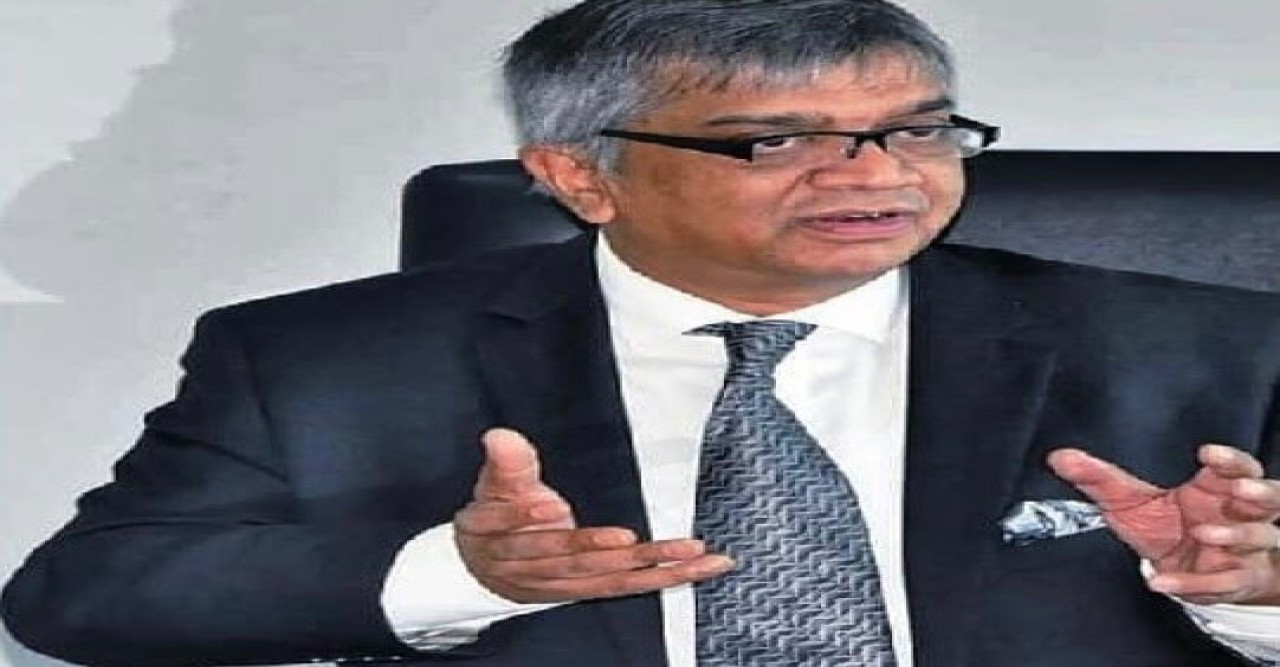 This experience taught us that in highly sensitive cases, at least one officer or experienced staff member should remain at the airport until the flight actually departs. A similar protocol mishap occurred in Rome in 2005, when I was Charge d’Affaires. Along with the Economic Counsellor and First Secretary (Political), I went to receive the Agriculture Minister of Bangladesh at Rome Fiumicino Airport for an important FAO meeting. The authorities allowed us to wait directly at the First/Business Class gate, which I preferred over waiting at the regular arrival area where the bridges for different classes merge. We waited for a long time but could not find the VIP. Our Dubai Consulate confirmed that the flight had departed normally, ruling out a missed connection. After searching the airport, we finally learned from our First Secretary at the hotel that the minister had already checked in there.
 Owing to some unavoidable circumstances, the airline diverted certain First/Business Class passengers to the Economy Class gate, and the minister had been escorted through that route. He completed immigration and proceeded directly to the hotel using the information he already had. In hindsight, the error occurred because all officers positioned themselves at one point. We should have deployed officers at both gates, especially where the two bridges merge and every passenger must pass. The minister, formerly a prominent civil servant, was remarkably understanding. The lesson: unless special arrangements are made, receiving officers should wait at the common arrival area used by all classes of passengers.
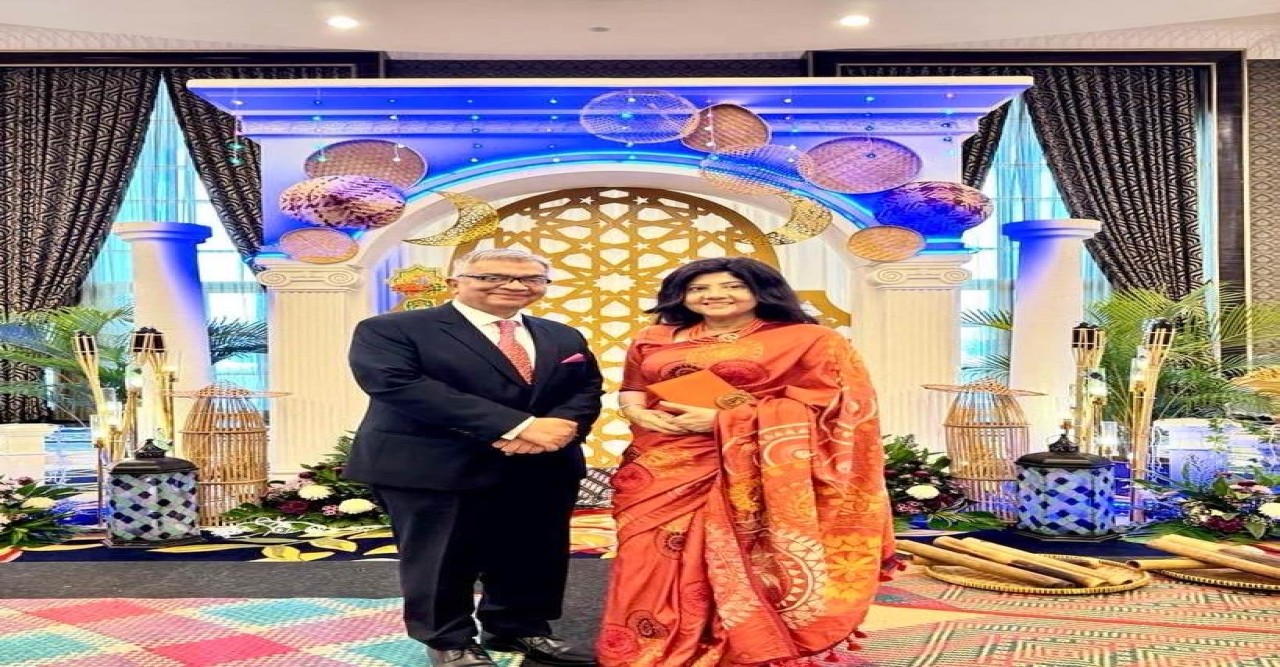 A related incident took place in Kuala Lumpur, where I missed receiving a former Ambassador and his wife at the arrival gate. We were aware that they would be using a wheelchair service, but my Protocol Assistant, despite two decades of experience, overlooked the fact that wheelchair passengers are taken through a faster, separate route. We could not trace them for hours until the Ambassador himself called after completing immigration and collecting luggage on his own. Fortunately, the couple understood the situation, and we resumed our meeting with good spirits. Not all experiences, however, were unpleasant. As Bangladesh High Commissioner to Malaysia, I spent an entire night (from 31 May to the early hours of 1 June 2024) at Kuala Lumpur Airport, accompanied by the Labour Counsellor, First Secretary (Press) and Biman officials. We welcomed arriving Bangladeshi workers on the last day of their entry deadline and ensured that those arriving after midnight were not subjected to restrictions.
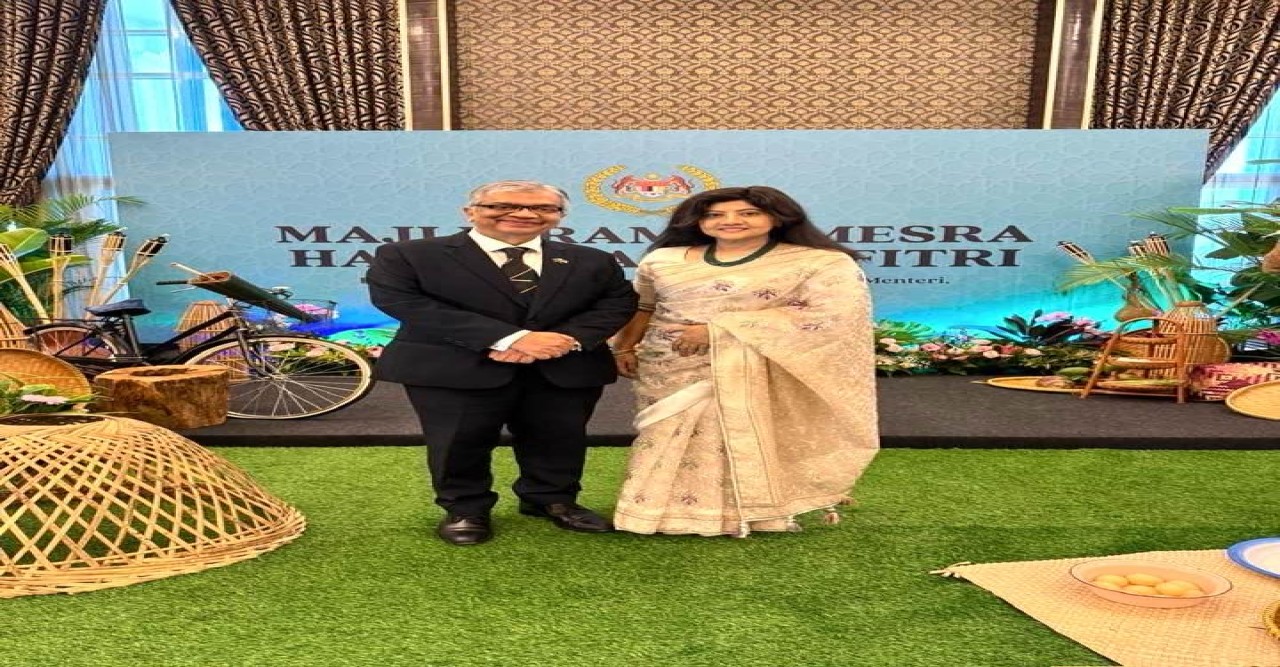 This effort was widely appreciated, and I remain grateful to the Malaysian authorities. One incident still pains me. While serving as Consul General in New York, my office was formally charged with “failing” to provide airport assistance to the wife of a High Court Judge who was visiting New York privately on a weekly holiday. His office sent an email that day, which naturally went unnoticed, and they did not follow up with a call. Instead of acknowledging the impracticality of such last-minute requests on a weekly holiday, we were asked to provide clarification. I hope fairness and good sense prevail in such situations. Many dignitaries, often Green Card holders, also accused us of being unable to exempt them from occasional secondary questioning by US immigration authorities, not realising that foreign Missions have absolutely no control over US border procedures. New York was unique for me in terms of the sheer frequency of protocol duties, so frequent that I jokingly began saying “daily-getions” instead of “delegations”.
Another troubling example: a Bangladesh High Commissioner (on contract) posted in Africa frequently visited New York to check on his expecting daughter, who entered the USA on a visit visa, to “ensure delivery and automatic US citizenship for the grandchild”. He and his wife regularly availed themselves of our protocol support and transport. Ironically, during this time, I sent multiple emails and attempted numerous phone calls to his Mission requesting urgent visa processing for a foreign climate-change expert, as there was no Bangladesh Mission in the applicant’s country of residence. None of my communications were ever acknowledged. Yet his Mission repeatedly sought our help for personal and routine matters.
Ultimately, justice took its own course and he was recalled to Dhaka on charges of massive corruption. There have been many protocol setbacks affecting diplomats worldwide: sudden changes in arrival gates without sufficient notice, and cases where travel agencies mistakenly sent passengers to Washington (Seattle) instead of Washington DC, or to Newark (EWR) instead of New York (JFK), causing distress to both travellers and Missions. Indeed, experience is like a hair comb, one acquires it when one has lost the hair.
__ The writer served as Bangladesh Envoy to Italy, Serbia, Montenegro, Malaysia and Nigeria and as the President of the Executive Board (2022) of the World Food Programme, WFP, Rome