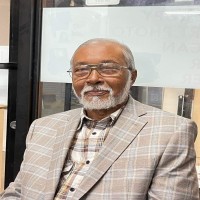

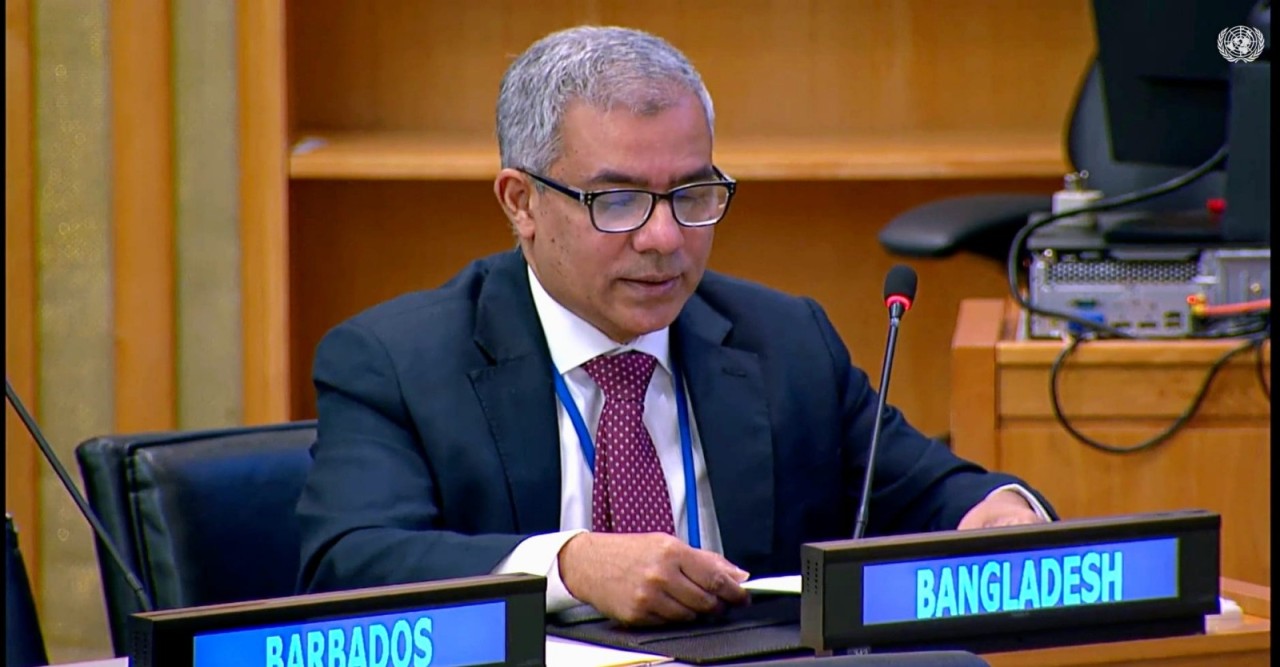
New York: Bangladesh’s Permanent Representative to the United Nations, Salahuddin Noman Chowdhury, formally assumed office on January 13, 2025. On the same day, he presented his credentials to UN Secretary-General António Guterres. More than a year into his tenure, discussions and questions have been growing among sections of the Bangladeshi diaspora in New York regarding his diplomatic visibility, public engagement, and overall connection with the community. Traditionally, Bangladesh’s Permanent Mission to the United Nations has not been limited to formal diplomatic duties alone; it has also served as an important hub for community engagement, media interaction, and cultural diplomacy.
National occasions such as Independence Day, Victory Day, and International Mother Language Day were typically marked by large, inclusive events attended by diplomats, artists, journalists, and members of the Bangladeshi diaspora—often creating what many described as a “mini United Nations” atmosphere. However, according to community observers, such open and inclusive activities have become noticeably limited over the past year. There are concerns about the lack of regular interaction with Bangladeshi media, limited dialogue with community leaders, and the absence of large-scale cultural programs.
Multiple sources present at recent events claim that after delivering remarks at programs organized by the Consulate General, the Permanent Representative often withdraws to a private office space with a small group of associates, where refreshments are served, before leaving the event. As a result, opportunities for broader interaction, introductions, and courtesy exchanges with community representatives and invited guests are often missing. At the same time, some observers note that engagement with Bangladeshi professionals working across various UN agencies and with other diplomatic missions appears less active compared to previous years.
In contrast, former Permanent Representatives were widely recognized for maintaining strong and open relationships with international media, diplomatic circles, and diaspora communities—playing an active role in promoting Bangladesh’s image globally. Active participation in national observances and regular media engagement were considered hallmarks of that tradition. The recent visit of Foreign Minister Dr. Khalilur Rahman to New York has also drawn attention, with some in the community noting limited public or media engagement during the visit. No official statement has yet been issued regarding these concerns. Overall, a growing question is being raised within sections of the diaspora: is this a case of “quiet diplomacy,” or a departure from a long-standing tradition of active engagement? Time will tell.
.jpg)