


The recent large-scale press conference by Tarique Rahman has generated considerable discussion in Bangladesh’s political and media circles. Beyond the substance of his remarks, the atmosphere of the event itself—particularly the applause from party supporters—has prompted reflection on a broader question: what does such a moment signal about political culture and media norms in a democracy in transition? As veteran journalist Manzur Ahmed observed in a recent commentary, applause at a press conference appears misplaced. The issue is not merely one of etiquette; it touches upon the norms that shape professional journalism and democratic engagement. A press conference, by definition, is a forum structured around questions, scrutiny, and accountability. It differs fundamentally from a political rally, where applause and public enthusiasm are expected expressions of support. When those two environments blur, the line between information exchange and political mobilization can become indistinct.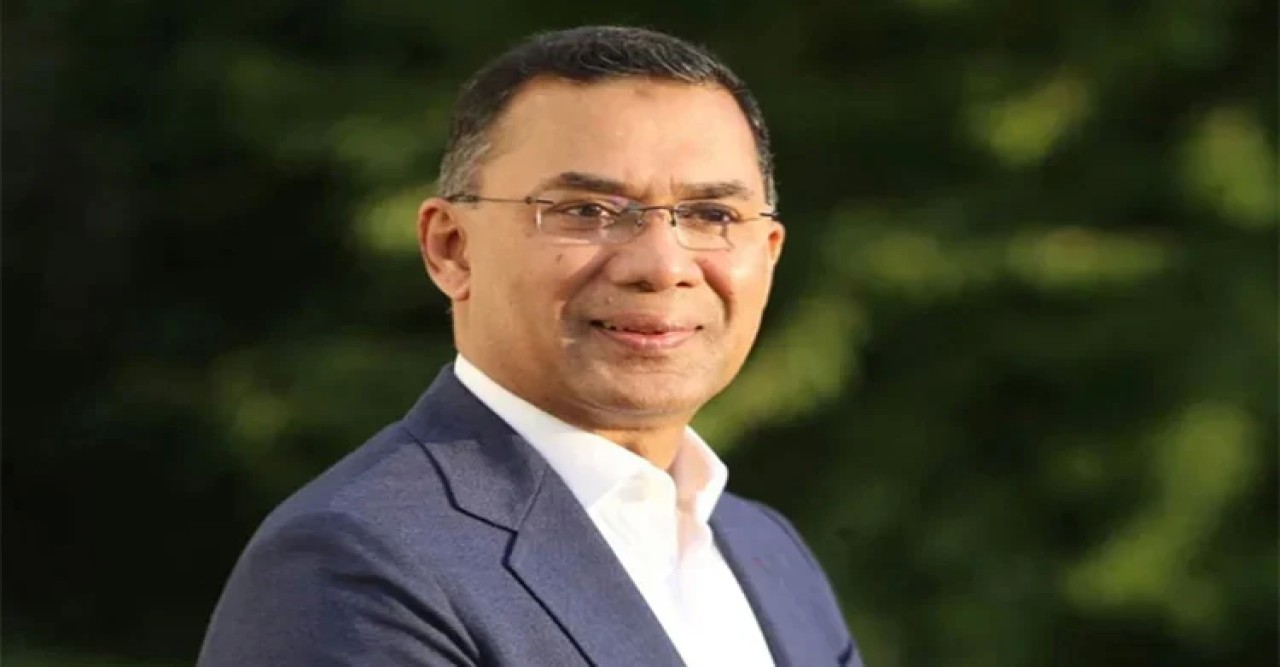 Historically, this phenomenon has not been confined to a single leader or party. Press conferences by Khaleda Zia in the 1990s and by Sheikh Hasina in later years were also marked by similar scenes. The recurrence suggests that the issue is structural rather than partisan—rooted in a broader political culture. Three dimensions merit consideration. First, leadership sets the tone. While spontaneous applause may reflect genuine support, a clear articulation at the outset—that a press conference is reserved for dialogue with journalists—can reinforce institutional norms without diminishing political enthusiasm elsewhere. Second, political activists may benefit from greater awareness of media protocol.
Distinguishing between partisan gatherings and professional press forums is essential to preserving the integrity of both. Third, the media community itself plays a critical role. Upholding professional standards, even in subtle matters of decorum, strengthens public confidence in the independence and seriousness of journalistic practice. In an interconnected world, optics matter. International observers often interpret such moments as indicators of democratic maturity. Applause during press briefings may appear minor domestically, yet externally it can influence perceptions about the balance between political authority and media autonomy.
It is worth noting that during his recent appearance, Tarique Rahman maintained a composed and measured tone, presenting his remarks with restraint. The setting had the potential to signal a disciplined engagement with the press. However, the repeated applause somewhat shifted focus from content to atmosphere—illustrating how symbolism can sometimes overshadow substance. Ultimately, this is not about assigning blame. Major political parties—including the Bangladesh Awami League, the Bangladesh Nationalist Party, and the Jatiya Party—have, at different times, encountered similar criticism.
The conversation therefore transcends party lines and points toward the evolution of democratic norms in Bangladesh. Democratic maturity is often measured not only by constitutional frameworks or electoral outcomes, but by everyday practices—how leaders speak, how supporters respond, and how journalists conduct their work. Ensuring that press conferences remain spaces of inquiry rather than applause may seem modest, yet it reflects a deeper commitment to institutional integrity. Small adjustments in practice can signal larger commitments to democratic refinement. In that sense, the question is less about a single event and more about the trajectory of political culture itself.
New York February 14